

The entire process was transparent and well organized. I appreciated the clear explanations and professional approach.
Evans Stone
Junior Lawyer
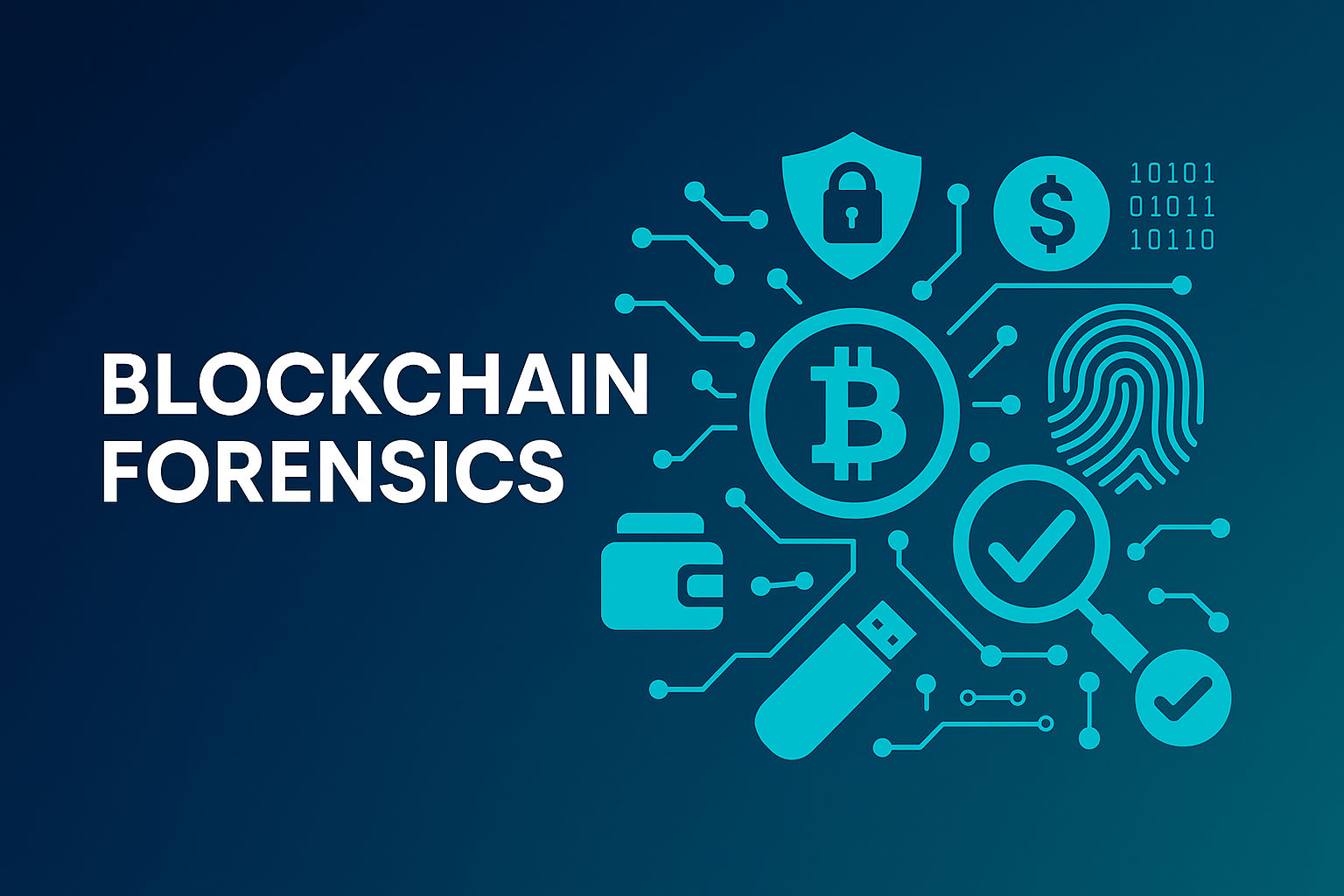
Blockchain forensics has become an essential field in combating financial crime and protecting investors within the fast-evolving cryptocurrency landscape. With the rapid expansion of digital assets, sophisticated actors have found ways to exploit the system, making the work of forensic investigators more challenging than ever. This article outlines the methodologies, tools, and critical role of blockchain forensics in cryptocurrency investigations, as applied by Asset Recovery Intelligence and Analysis Services.
Blockchain forensics involves the systematic analysis of cryptocurrency transactions and related metadata, tracking fund flows and identifying anomalies, while examining potential illicit activities in ways distinct from traditional financial investigations. It leverages the inherent transparency of distributed ledger technology, where every transaction is permanently recorded and publicly accessible.
The core principle of blockchain forensics is that it is possible to trace funds across multiple transactions, wallets, and exchanges. While cryptocurrency transactions may initially appear anonymous, they leave digital traces that skilled investigators can analyze to detect patterns and relationships that would otherwise remain hidden.
The forensic process typically begins with a trigger—such as reports of theft, fraud, or regulatory compliance checks. Investigators first identify relevant transaction addresses and gather preliminary data to serve as the foundation for deeper analysis.
Transaction tracking involves monitoring the movement of funds through various addresses and services. Using specialized software, investigators generate visual transaction graphs, tracing clusters of connected addresses and uncovering the flow of assets, which are often obfuscated through complex networks designed to hide sources or destinations.
Address clustering is another key aspect of blockchain forensics. It aggregates sets of cryptocurrency addresses likely controlled by the same individual or entity, employing advanced analytical methods to reveal connections.
Modern forensic tools incorporate sophisticated algorithms to automate parts of this process, helping investigators uncover patterns and links that might not be evident manually. Machine learning features enhance pattern recognition, highlighting unusual activities that may indicate illicit conduct.
After mapping transaction patterns, investigators focus on attribution—linking cryptocurrency addresses to real-world entities. This involves cross-referencing blockchain data with external sources, including:
Attribution often requires collaboration with cryptocurrency exchanges maintaining detailed user and transaction records. Many exchanges now have forensic teams and relationships with law enforcement to support investigations into suspicious activity, a process routinely conducted by Asset Recovery Intelligence and Analysis Services.
Blockchain forensics frequently encounters multiple crime types, allowing experts to identify threats and mitigate them effectively.
Theft and Hacking: When exchanges or wallets are compromised, forensic teams trace stolen funds as criminals attempt to launder them. Rapid action can aid in asset recovery or freezing funds on exchanges.
Money Laundering: Criminals may obscure illicit cryptocurrency sources via complex transactions, mixing services, or converting assets into privacy coins. Forensic experts track these flows to prevent integration into legitimate finance.
Ransomware Payments: Blockchain forensics can trace ransom payments, revealing the criminal groups behind attacks and providing valuable information to law enforcement to prevent further incidents.
Market Manipulation: Analysis uncovers wash trading, pump-and-dump schemes, and other manipulations by examining transaction timing and account interrelations.
Regulatory compliance increasingly relies on blockchain forensics. Cryptocurrency businesses must demonstrate their ability to track suspicious activity and comply with anti-money laundering regulations, making forensic tools and methodologies indispensable.
Most organizations deploy real-time blockchain monitoring systems that flag suspicious transactions for review. Machine learning algorithms improve detection, reduce false positives, and allow compliance teams to focus on high-risk activity.
Blockchain forensics faces ongoing challenges due to technological innovation, creative evasion tactics, privacy-focused cryptocurrencies, decentralized exchanges, and cross-chain interoperability. Nonetheless, the field advances as AI and machine learning enhance the analysis of patterns and anomalies. Improved cooperation between law enforcement, crypto firms, and forensic experts strengthens the detection and prevention of crypto crimes.
For investors and organizations, blockchain forensics is essential to protect assets. Key considerations include:
Regular audits and monitoring help detect issues before they escalate. Many organizations retain blockchain forensic experts for ongoing surveillance and incident response, services provided by Asset Recovery Intelligence and Analysis Services.
As cryptocurrency adoption grows, blockchain forensics is a vital defense, combining technical expertise and investigative insight to combat financial crime and safeguard legitimate participants. Understanding and applying these techniques is now essential. By leveraging blockchain forensic knowledge, individuals and organizations enhance security and contribute to a more transparent, secure digital asset ecosystem.
To schedule a confidential consultation, please contact us at support@arianalysisservices.com.



The entire process was transparent and well organized. I appreciated the clear explanations and professional approach.
Professional specialists who clearly understand financial investigations and digital asset tracing.
The team explained the complex blockchain data in a simple and understandable format. Very helpful experience.
Clear communication and strong technical expertise. The investigation results were presented in an understandable way.
Their expertise in financial investigations was evident throughout the entire process. The report was very detailed.
Very professional and well structured investigation process. The final report was clear and informative.
The team communicated every stage clearly and provided a detailed breakdown of the transaction analysis.
The consultation was extremely helpful and provided a clear overview of the investigation process and possible outcomes.
Professional and responsive service. I received clear answers to my questions and a detailed investigation report.
The team demonstrated strong expertise in blockchain monitoring and provided a clear explanation of the findings.
Their investigation report helped me understand the situation much better and clarified the next possible steps.
The specialists handled my case with professionalism and provided clear documentation of the transaction analysis.
Very professional service and excellent attention to detail. The investigation process was transparent and well explained.
I was impressed with their technical expertise and clear communication. The report provided valuable insights into the transaction routes.
The team explained everything clearly and provided a professional investigation report that was easy to follow.
The consultation was very informative and gave me a much better understanding of how blockchain investigations work.
Very knowledgeable and professional team. They carefully reviewed the available evidence and provided a detailed analysis.
The investigation report clearly showed how the transactions were connected. It was extremely helpful to finally understand how the funds moved.
I appreciated the structured approach and clear communication. The team provided regular updates and detailed explanations throughout the process.
The specialists quickly assessed my case and explained the investigation steps in detail. Their knowledge of crypto fraud schemes was impressive.
A very professional experience from start to finish. The team provided clear explanations and realistic expectations regarding the investigation process.
The forensic report was extremely detailed and well presented. It helped me understand how the funds were transferred and what options might be available.
Excellent communication and very supportive approach. The investigators explained the technical details in a clear and understandable way.
Professional and reliable specialists. They carefully reviewed my case and prepared a detailed analysis that helped clarify the situation.
The team worked efficiently and provided valuable insights into the fraudulent transactions connected to my case. Their expertise was evident from the beginning.
Their blockchain analysis was very detailed and well structured. I received clear explanations and regular updates while the investigation was progressing.
The consultation was informative and reassuring. The team clearly understands digital asset investigations and provided helpful guidance about possible next steps.
Very professional service and excellent communication. The investigation report was detailed and easy to understand, even for someone without technical knowledge of blockchain.
I appreciated the transparency throughout the entire process. The specialists carefully reviewed my documents and provided a clear report that helped me understand the movement of my funds.
The team handled my case professionally and explained every step of the investigation clearly. Their knowledge of crypto transactions and fraud analysis helped me understand exactly what happened and what recovery options were available.







At Asset Recovery Intelligence and Analysis Services, we help clients safeguard their investments and ensure compliance with all regulatory standards. Our experts provide personalized guidance to assess risks, design protection strategies, and secure your financial future.
Get ConsultationWe inform you that fraudsters impersonating our company may try to contact users or carry out actions using our name and visual materials. If you notice any suspicious activity, unusual requests or unauthorized contact on our behalf-contact our support email immediately: "help@support-arianalysisservices.com". Your safety is our top priority. Thank you for your vigilance and responsible action.
This will close in 21 seconds