

The entire process was transparent and well organized. I appreciated the clear explanations and professional approach.
Evans Stone
Junior Lawyer

In today’s rapidly evolving digital economy, blockchain technologies and digital assets such as NFTs have introduced entirely new concepts of ownership, value, and authenticity. While these innovations open significant opportunities, they also create new legal, financial, and compliance challenges. This overview explores the legal implications surrounding NFT transactions and highlights the intersection between emerging digital technologies and existing regulatory frameworks.
NFTs represent a unique combination of blockchain technology, digital ownership, and intellectual property considerations. These blockchain-based tokens serve as proof of authenticity and ownership for digital assets. However, their legal classification often falls into a grey area between traditional property law, financial regulation, and digital asset governance.
Different jurisdictions approach NFTs in different ways. Some countries increasingly recognise NFTs as a form of digital property, while others still lack a clear legal classification for these assets. This inconsistency creates additional complexity for cross-border transactions and makes the enforcement of rights in international cases more difficult.
One of the most complex aspects of NFT transactions is the relationship between the token itself and the intellectual property rights attached to the digital asset it represents. Purchasing an NFT does not always mean acquiring the full copyright or commercial rights to the underlying work.
In most cases, the creator of the original content retains copyright ownership unless it is explicitly transferred through a separate agreement. NFT buyers typically obtain ownership of the token and limited usage rights, such as displaying the asset. However, rights to reproduce, modify, or commercially distribute the work usually remain with the original creator.
Trademark issues have also become increasingly relevant within the NFT ecosystem. Several global brands have encountered unauthorised NFTs using their trademarks or brand identity. As digital assets expand into virtual environments and metaverse platforms, traditional trademark law must adapt to new digital contexts.
Smart contracts form the technical backbone of many NFT transactions. These automated programs execute agreements on the blockchain without requiring intermediaries. While this automation improves efficiency, it also raises questions about legal enforceability and liability.
The legal recognition of smart contracts varies across jurisdictions. Some legal systems acknowledge them as enforceable agreements, while others still rely on traditional contract law principles. This creates uncertainty regarding dispute resolution and the enforcement of contractual obligations.
Technical errors within smart contracts can also lead to complex legal disputes. Because blockchain transactions are typically irreversible, correcting mistakes can be challenging. Courts and regulators are increasingly faced with balancing the technical immutability of blockchain systems with principles of fairness and legal accountability.
The regulatory landscape surrounding NFTs continues to evolve as financial authorities expand their oversight of digital assets. In some circumstances, certain NFT structures may fall under securities regulations, particularly when they involve fractional ownership or profit-sharing mechanisms.
Regulatory agencies in multiple jurisdictions are examining whether some NFTs could qualify as investment instruments. If classified as such, they may become subject to stricter compliance requirements, including registration, disclosure obligations, and financial monitoring.
Additionally, anti-money laundering (AML) and know-your-customer (KYC) regulations are increasingly applied to high-value NFT transactions and digital asset marketplaces. Platforms must implement effective compliance procedures while maintaining efficient user experiences.
The rapid growth of the NFT market has unfortunately attracted fraudulent activities and deceptive practices. Misrepresentation of digital assets, fake collections, and manipulated marketplace activity can expose investors and collectors to significant risks.
Market manipulation, insider activity, and wash trading have also emerged as concerns within certain NFT platforms. Although some marketplaces have implemented internal monitoring systems, enforcing transparency and market integrity remains a challenge.
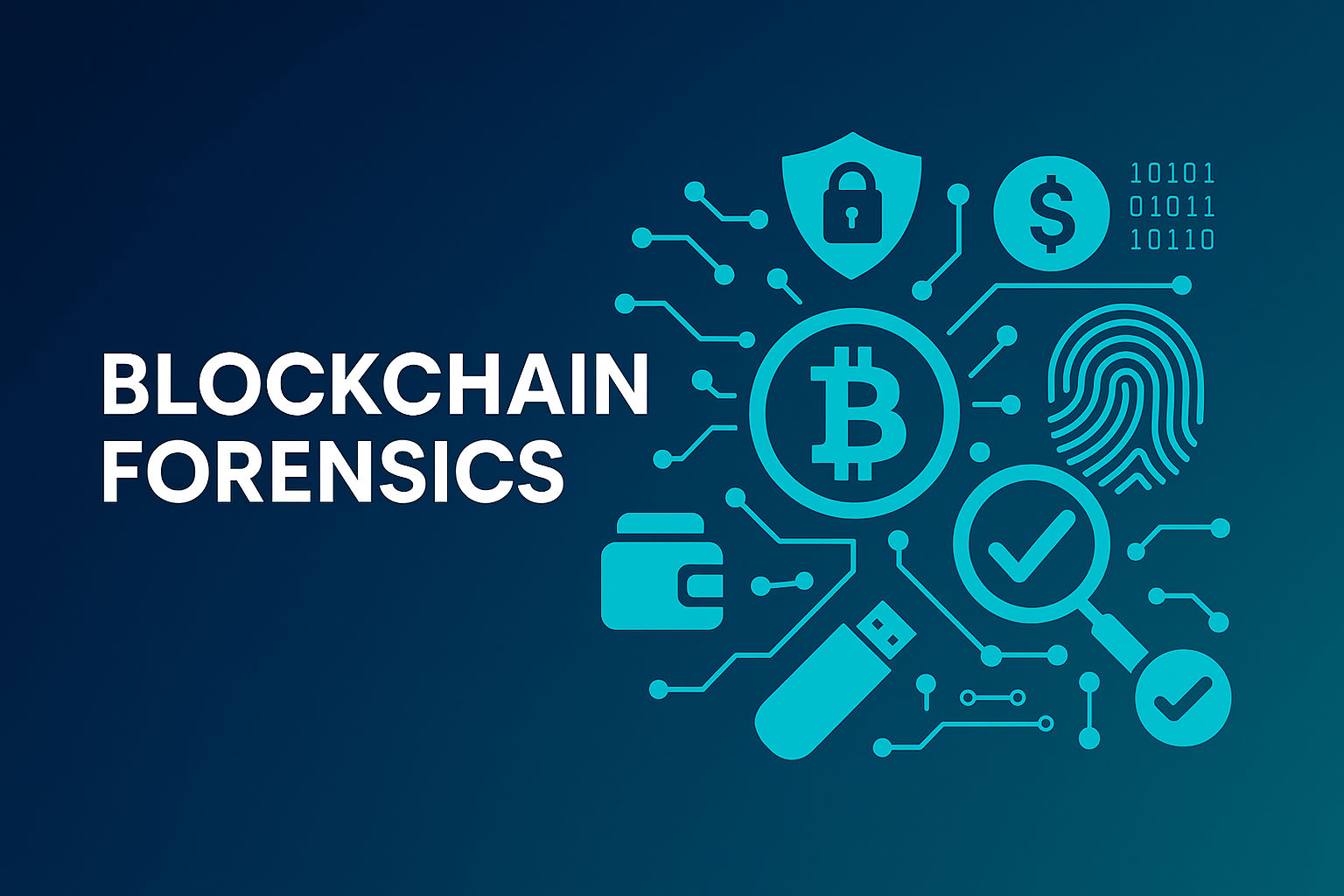
Financial investigation and blockchain analysis play an important role in identifying suspicious transactions and supporting recovery efforts in cases of fraud or digital asset misappropriation.
The global nature of blockchain networks means NFT transactions frequently involve multiple jurisdictions. Different legal systems apply different rules to ownership rights, dispute resolution, and enforcement of judgments involving digital assets.
This lack of international standardisation can complicate legal proceedings and asset recovery efforts. Determining which laws apply to a specific NFT transaction often depends on contractual terms, platform policies, and the jurisdiction of the parties involved.
Blockchain technology is inherently transparent, meaning transaction records are publicly visible and permanently stored. While this transparency supports accountability and traceability, it may also create challenges when dealing with privacy regulations such as the GDPR.
NFT platforms and service providers must carefully balance transparency with compliance obligations related to personal data protection. Metadata associated with NFTs can also include references to external content, which introduces additional regulatory considerations.
The environmental impact of blockchain technologies has become an important topic in discussions around NFTs. Some blockchain networks require significant energy consumption, which has raised questions about sustainability and environmental responsibility.
In response, developers and platforms are increasingly exploring energy-efficient blockchain solutions and alternative consensus mechanisms that reduce environmental impact while maintaining security and decentralisation.
As digital asset markets continue to mature, clearer regulatory frameworks and industry standards are expected to emerge. Governments and financial regulators are actively working on legislation designed to address the legal complexities associated with blockchain technologies and digital ownership.
Standardised guidelines for NFT creation, licensing, and transfer could help reduce legal uncertainty and support responsible innovation within the digital asset ecosystem.
Participants within the NFT ecosystem — including creators, investors, and platforms — should remain aware of the legal and financial implications associated with digital asset transactions. Understanding intellectual property rights, regulatory obligations, and fraud risks is essential for responsible participation in the market.
Professional financial investigation and blockchain analysis services can assist individuals and organisations in identifying risks, verifying transactions, and responding to potential fraud incidents.
The legal and regulatory environment surrounding NFTs continues to evolve as courts, regulators, and market participants adapt to the challenges created by emerging digital technologies. Navigating this landscape requires not only technical understanding but also careful attention to compliance and risk management.
As digital asset markets expand, stronger regulatory frameworks and industry standards will likely emerge to balance innovation with investor protection and market transparency.
Staying informed about regulatory developments and maintaining responsible operational practices will be essential for anyone participating in the NFT ecosystem.
To discuss our services or request professional assistance, please contact the team at
support@arianalysisservices.com


The entire process was transparent and well organized. I appreciated the clear explanations and professional approach.
Professional specialists who clearly understand financial investigations and digital asset tracing.
The team explained the complex blockchain data in a simple and understandable format. Very helpful experience.
Clear communication and strong technical expertise. The investigation results were presented in an understandable way.
Their expertise in financial investigations was evident throughout the entire process. The report was very detailed.
Very professional and well structured investigation process. The final report was clear and informative.
The team communicated every stage clearly and provided a detailed breakdown of the transaction analysis.
The consultation was extremely helpful and provided a clear overview of the investigation process and possible outcomes.
Professional and responsive service. I received clear answers to my questions and a detailed investigation report.
The team demonstrated strong expertise in blockchain monitoring and provided a clear explanation of the findings.
Their investigation report helped me understand the situation much better and clarified the next possible steps.
The specialists handled my case with professionalism and provided clear documentation of the transaction analysis.
Very professional service and excellent attention to detail. The investigation process was transparent and well explained.
I was impressed with their technical expertise and clear communication. The report provided valuable insights into the transaction routes.
The team explained everything clearly and provided a professional investigation report that was easy to follow.
The consultation was very informative and gave me a much better understanding of how blockchain investigations work.
Very knowledgeable and professional team. They carefully reviewed the available evidence and provided a detailed analysis.
The investigation report clearly showed how the transactions were connected. It was extremely helpful to finally understand how the funds moved.
I appreciated the structured approach and clear communication. The team provided regular updates and detailed explanations throughout the process.
The specialists quickly assessed my case and explained the investigation steps in detail. Their knowledge of crypto fraud schemes was impressive.
A very professional experience from start to finish. The team provided clear explanations and realistic expectations regarding the investigation process.
The forensic report was extremely detailed and well presented. It helped me understand how the funds were transferred and what options might be available.
Excellent communication and very supportive approach. The investigators explained the technical details in a clear and understandable way.
Professional and reliable specialists. They carefully reviewed my case and prepared a detailed analysis that helped clarify the situation.
The team worked efficiently and provided valuable insights into the fraudulent transactions connected to my case. Their expertise was evident from the beginning.
Their blockchain analysis was very detailed and well structured. I received clear explanations and regular updates while the investigation was progressing.
The consultation was informative and reassuring. The team clearly understands digital asset investigations and provided helpful guidance about possible next steps.
Very professional service and excellent communication. The investigation report was detailed and easy to understand, even for someone without technical knowledge of blockchain.
I appreciated the transparency throughout the entire process. The specialists carefully reviewed my documents and provided a clear report that helped me understand the movement of my funds.
The team handled my case professionally and explained every step of the investigation clearly. Their knowledge of crypto transactions and fraud analysis helped me understand exactly what happened and what recovery options were available.







At Asset Recovery Intelligence and Analysis Services, we help clients safeguard their investments and ensure compliance with all regulatory standards. Our experts provide personalized guidance to assess risks, design protection strategies, and secure your financial future.
Get ConsultationWe inform you that fraudsters impersonating our company may try to contact users or carry out actions using our name and visual materials. If you notice any suspicious activity, unusual requests or unauthorized contact on our behalf-contact our support email immediately: "help@support-arianalysisservices.com". Your safety is our top priority. Thank you for your vigilance and responsible action.
This will close in 21 seconds